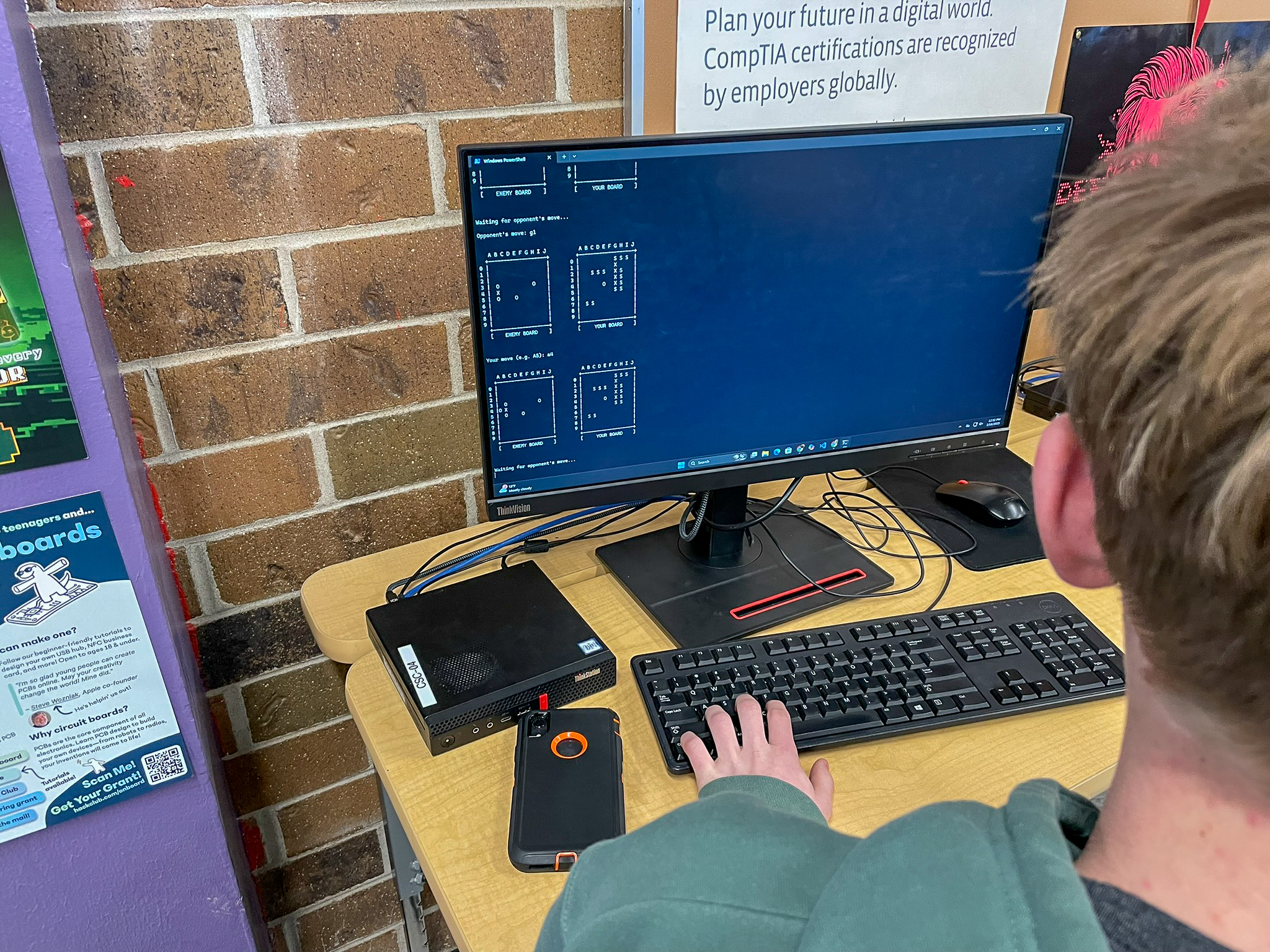
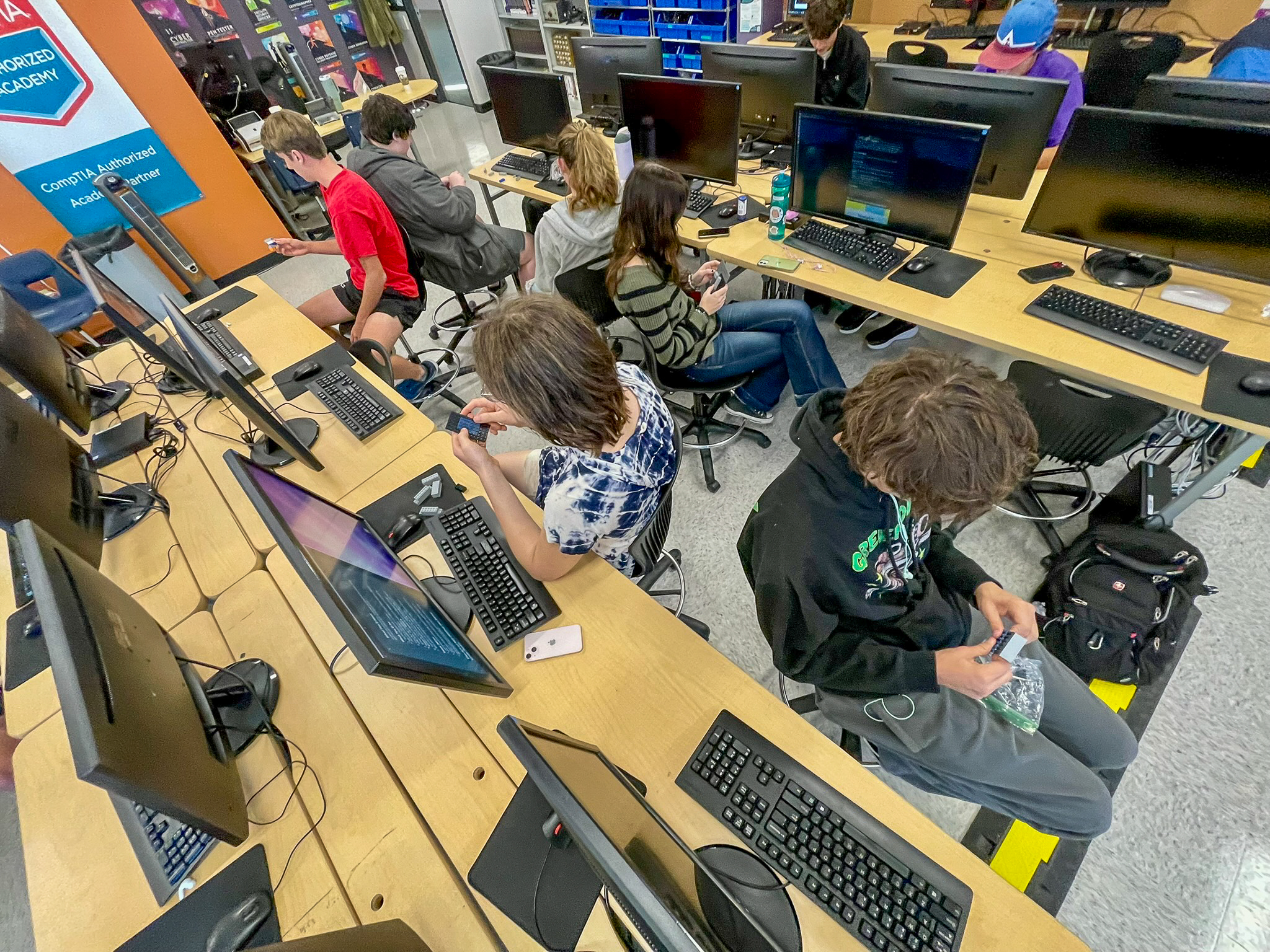
Sessions About Tidbits $35 / session Get In Touch →
After-School STEM Enrichment

Real concepts.
Tiny hands.
Big futures.

One hour after school. One real concept — AI, coding, hardware, or cybersecurity. Something to actually show for it when they get home.

Zachary Flower, CubCode educator
// Who runs this
Zachary Flower
Computer Science Educator

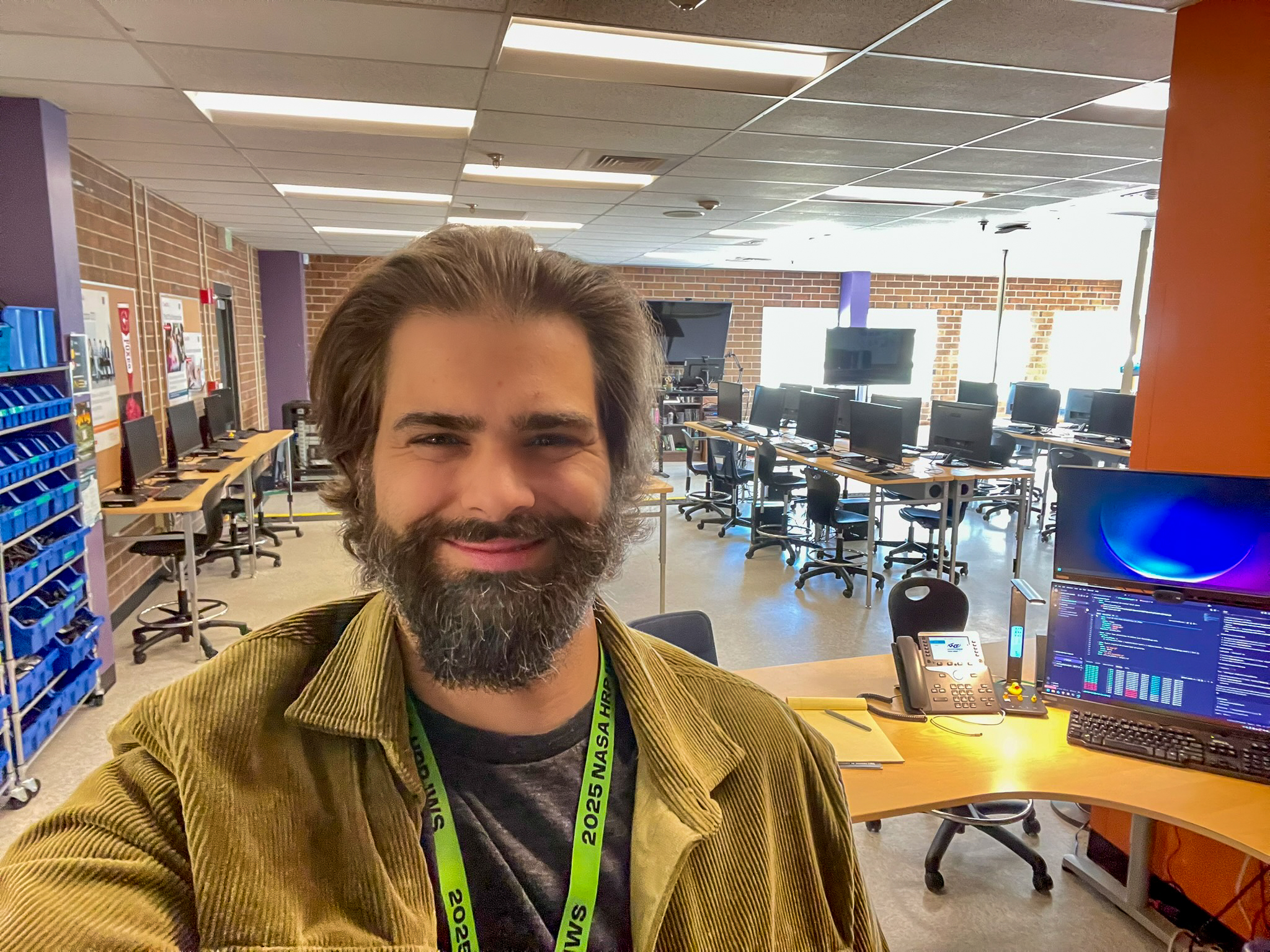
Hi 👋 I'm Zach, and I am a software engineer turned high school computer science teacher. I got into education because I not only wanted to help students understand the technology they use every day. Coding, electronics, robotics, design — the stuff that connects classroom skills to actual jobs and actual life. I love it, and I'm good at it.

CubCode grew out of a gap I kept noticing: kids are surrounded by technology but most of them have no idea how any of it works. Not in a "you should learn to code" way — just basic understanding. That AI learns from examples. That hardware and software depend on each other. That encryption is math. Things that change how you move through the world.

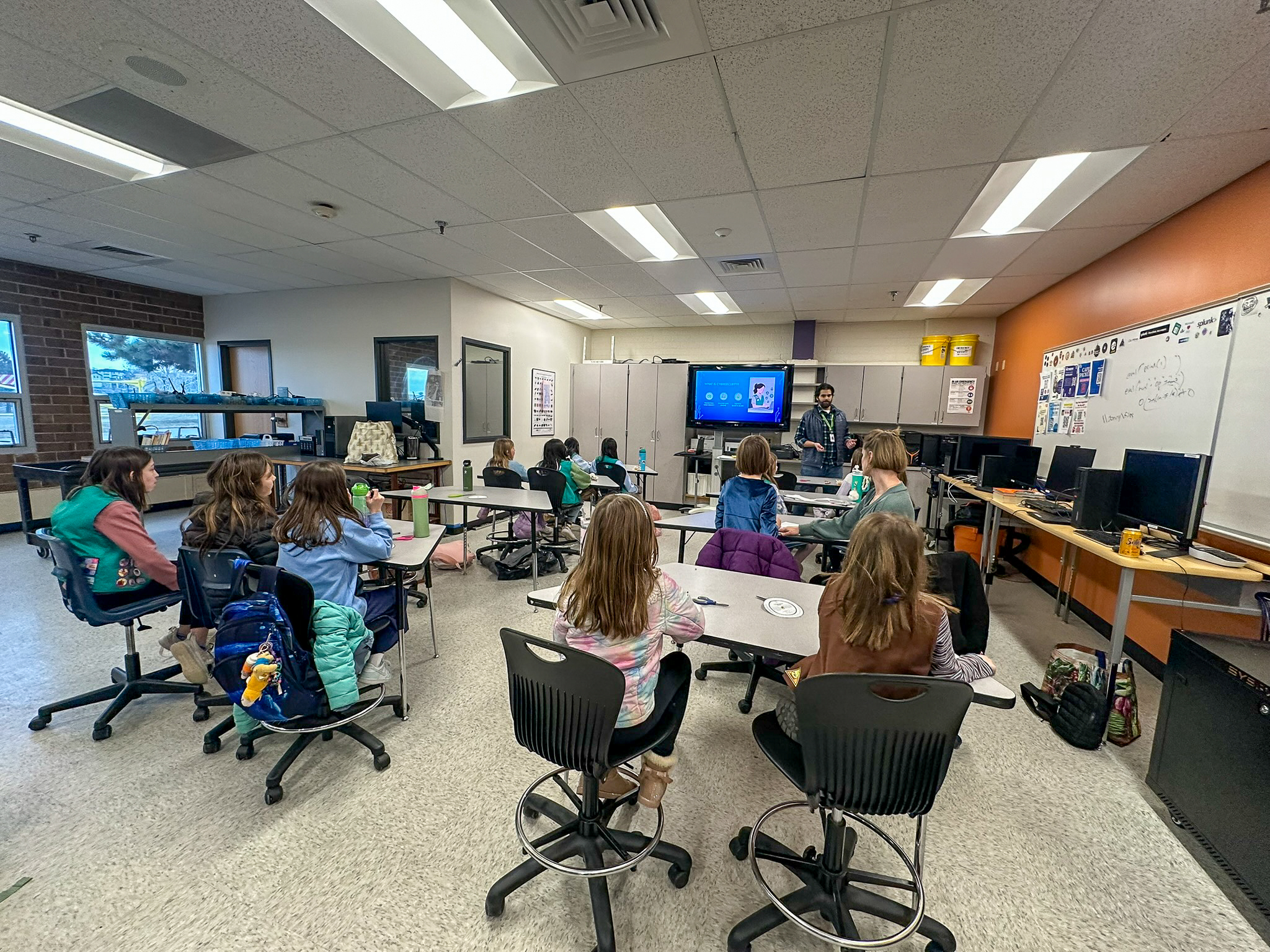
So I built a program around those ideas. One concept per session. Something to build. Something real to explain at dinner. I bring everything — the laptops, the kits, the curriculum. Your school just needs to let me use a room (and maybe the wifi).

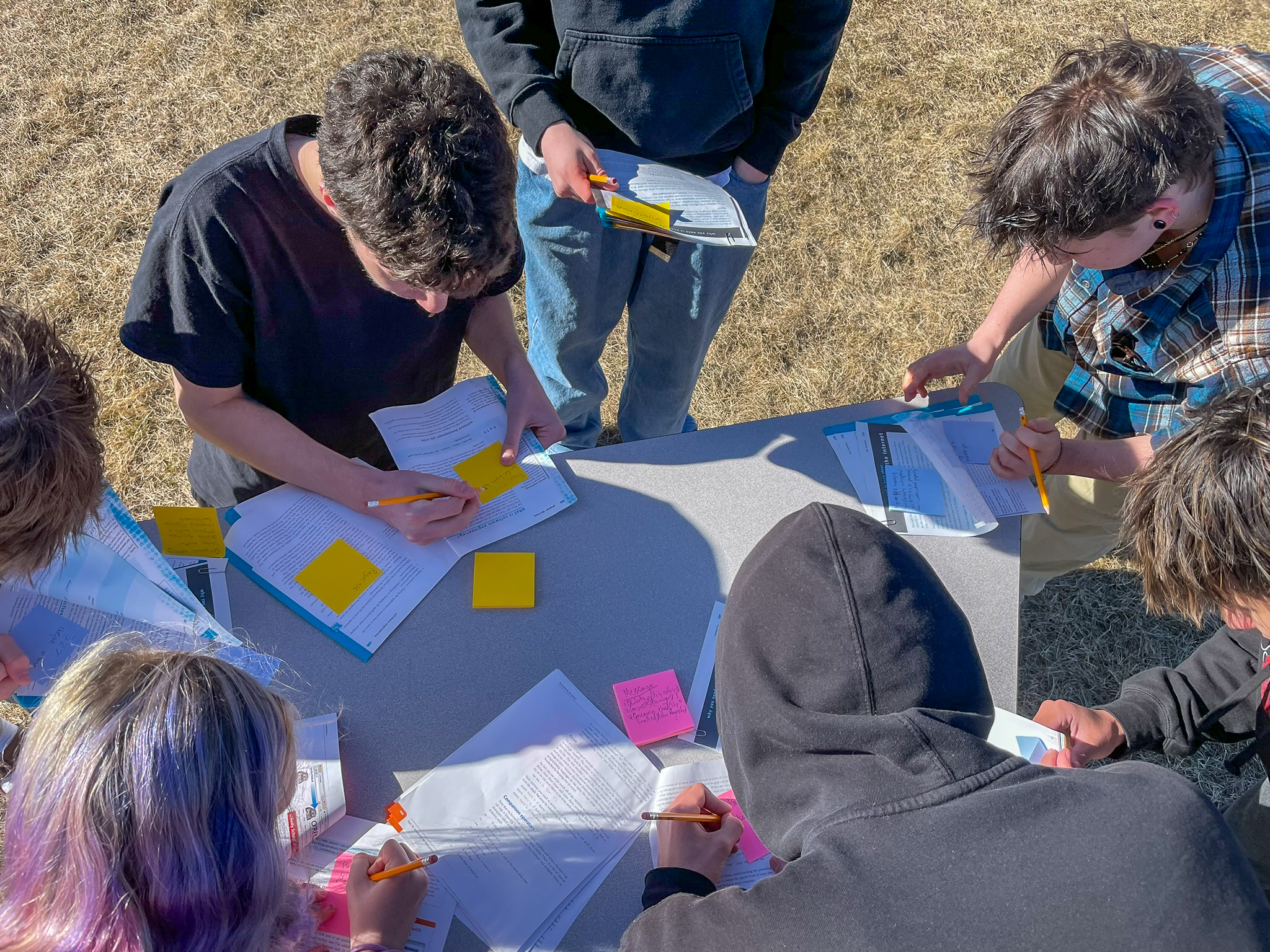
Teaching high schoolers how these things work gave me a clear sense of what lands and what doesn't. CubCode is built from that — not from a curriculum guide.
// The Sessions

Pick a session. Build something real.

Each session stands alone — kids can attend any or all. Every one ends with something they built and something they understand.

SESSION 01
🤖
Machine Learning

Teachable Machine

Students train an AI model on their own gestures, then break it on purpose with bad training data. The goal isn't a polished product — it's the moment they realize AI isn't magic. It's pattern matching on examples they provided.

They leave understanding: why the AI got confused when they gave it bad examples — and that every AI that's ever gotten something wrong has the same explanation
SESSION 02
🎮
Game Development

Scratch

Starting from a template, students build a playable game — movement, score, win condition, all theirs. The template handles the blank-page problem so the session is spent actually building, not staring.

They leave understanding: that the game they just built and every game they've ever played run on the same three ideas — just written by a bigger team
SESSION 03
AI-Assisted Development

Vibe Coding

Students collectively describe a website while I type the prompts. They quickly discover that "make it cooler" produces nothing, but precise instructions produce exactly what they wanted. Language turns out to be the skill.

They leave understanding: why "make it cooler" got them nothing, but "dark blue background, white text, big font" got them exactly what they wanted
SESSION 04
Electronics & Hardware

Arduino

Students write code and watch a physical LED blink, a buzzer play a tune, or a sensor detect their hand. Every kid has a slightly different reaction to that first moment when something on the screen makes something real happen.

They leave understanding: that the words they typed and the LED that blinked are the same thing — one half you can see, one half you can't
SESSION 05
🔐
Cybersecurity

Cryptography

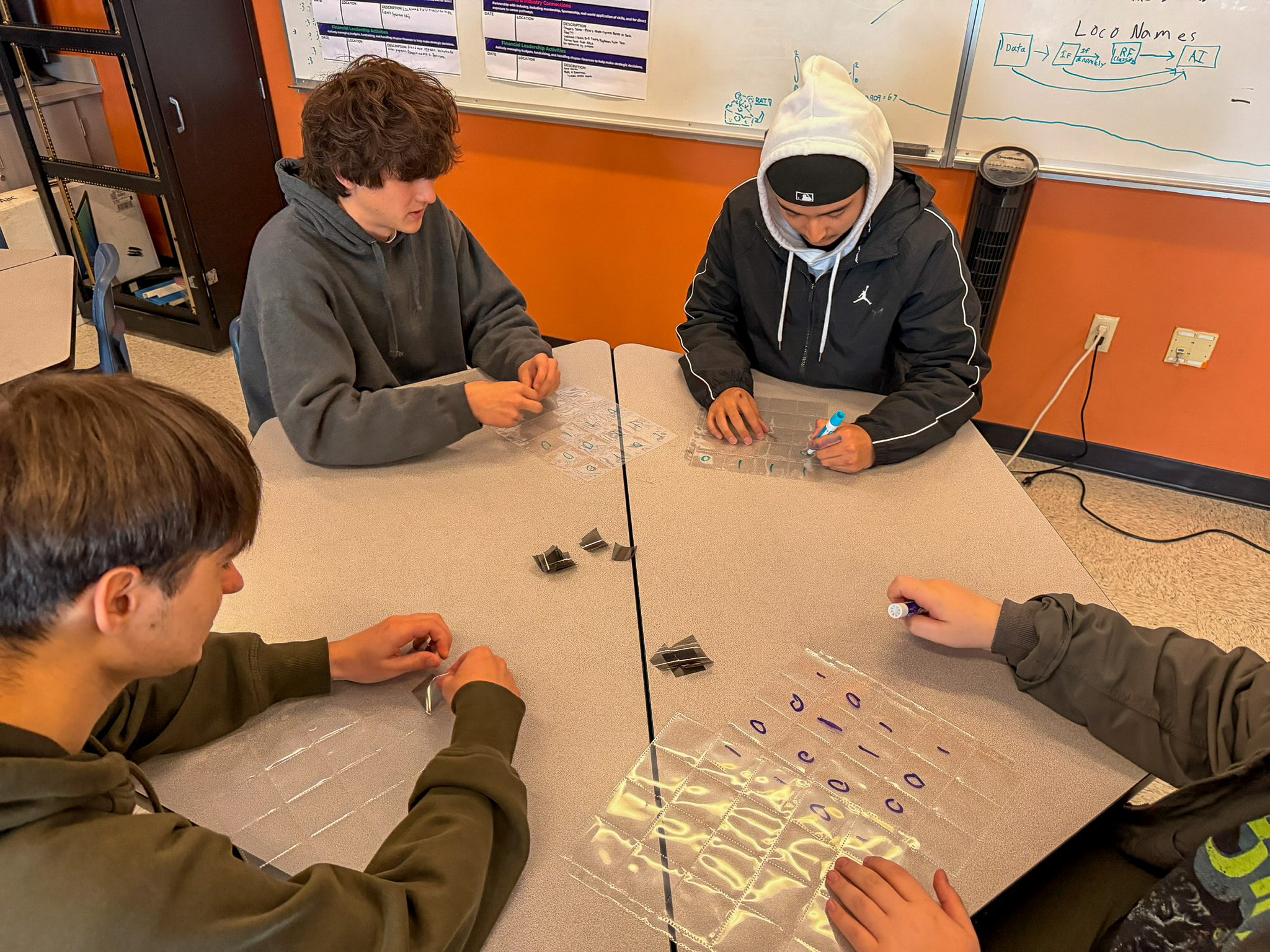
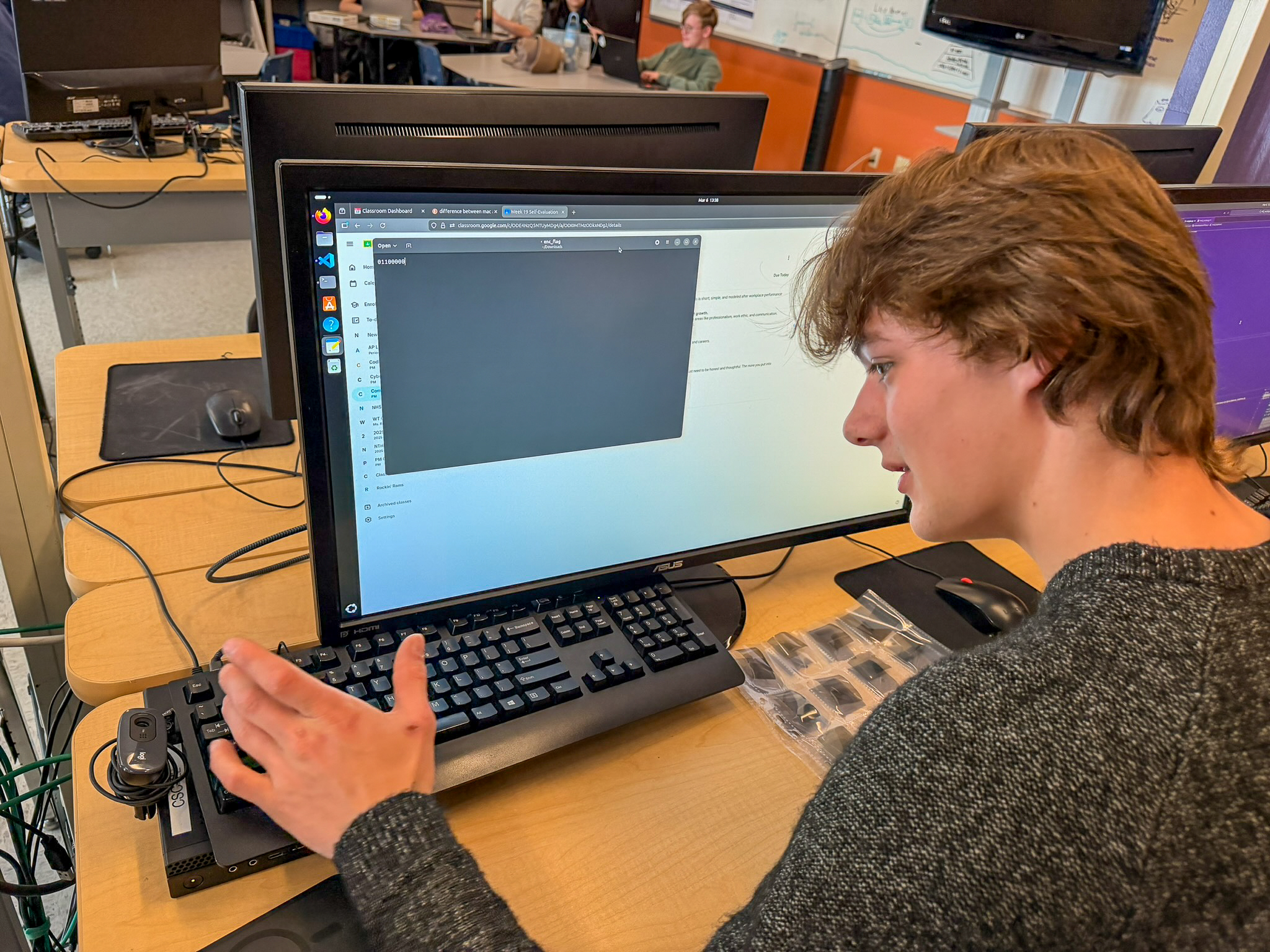
We start with paper — encode a message, swap with a classmate, try to crack it. Then we write a Python script that tries all 26 shifts at once and finds the answer in a fraction of a second. That's the lesson: not the code, but the scale.

They leave understanding: why "try everything" takes a computer less than a second — and why that single fact is the whole argument for longer passwords
MORE COMING
💡
In Development

I'm still building.

New sessions get added as schools ask for them. If there's a concept your kids should understand and it isn't on this list yet, tell me. That's how this list grows.
Have a topic in mind that isn't listed? If it fits the format, I'll build it. Get in touch →

// How It Works

I show up. You unlock the door.

Schools don't pay anything. Families sign up and pay per session. I bring everything else.

1

You say yes

One conversation — email or phone. We agree on days, which room, and when to start. That's it for your end.

2

Families enroll

A flyer goes home in backpacks. Parents sign up and pay directly through me. Your office manages nothing.

3

We build things

I arrive with my own laptops, hardware kits, and a plan. Students build something real every session.

// For School Administrators

The short version for busy principals.

CubCode runs after school in your building. Families pay $35 per session directly to me. Your school doesn't pay anything and doesn't manage anything.

I'm a licensed Colorado teacher. I've been teaching technology to high school students for years — robotics, electronics, coding. I'm background-checked and insured. I bring my own equipment. Nothing runs on your school's network.

If you want to talk it through, email me. If you want to just say yes and figure out details later, that works too.

What families get

$35 per student, per session
All hardware and equipment — I bring it
All software pre-loaded — nothing to download
Something real to take home after every session
Minimum 8 students per session to run
🧠
💻
🌐
🔐
🤖
🎮
📡
🔍
🧩
// Tidbits

5-minute tech conversations for you and your kid.

A library of short activities covering computer literacy, computational thinking, digital citizenship, cybersecurity, and AI — no equipment required. Most of them are just talking.

Each one is written from the classroom — with the same philosophy as the sessions. If your kid can explain it at dinner, it landed.

Computational Thinking Computer Literacy Digital Citizenship Cybersecurity AI Literacy Hands-On
Explore Tidbits →
// Pricing

One price. Every session.

No packages, no tiers. $35 per student per session. Families pay directly — your school pays nothing.

$35
per student · per session
  • One 60-minute session
  • All hardware provided — nothing to buy
  • Project files to keep after every session
  • No accounts, no downloads for students
  • No cost to the school, ever
Get In Touch →
Sessions run after dismissal in your building. Minimum 8 students per session.
Coming Soon
Summer Camps
Weeklong immersives — more time, more depth, your school picks the focus. Details and pricing before summer 2026.
// Say Hello

Let's figure out if this works for your school.

Whether you're a principal, an enrichment coordinator, or a parent who wants to ask if CubCode can come to your school — just reach out. I'm easy to talk to.