SESSION 01
🤖
Machine Learning
Teachable Machine
Students train an AI model on their own gestures, then break it on purpose with bad training data. The goal isn't a polished product — it's the moment they realize AI isn't magic. It's pattern matching on examples they provided.
They leave understanding: why the AI got confused when they gave it bad examples — and that every AI that's ever gotten something wrong has the same explanation
SESSION 02
🎮
Game Development
Scratch
Starting from a template, students build a playable game — movement, score, win condition, all theirs. The template handles the blank-page problem so the session is spent actually building, not staring.
They leave understanding: that the game they just built and every game they've ever played run on the same three ideas — just written by a bigger team
SESSION 03
✨
AI-Assisted Development
Vibe Coding
Students collectively describe a website while I type the prompts. They quickly discover that "make it cooler" produces nothing, but precise instructions produce exactly what they wanted. Language turns out to be the skill.
They leave understanding: why "make it cooler" got them nothing, but "dark blue background, white text, big font" got them exactly what they wanted
SESSION 04
⚡
Electronics & Hardware
Arduino
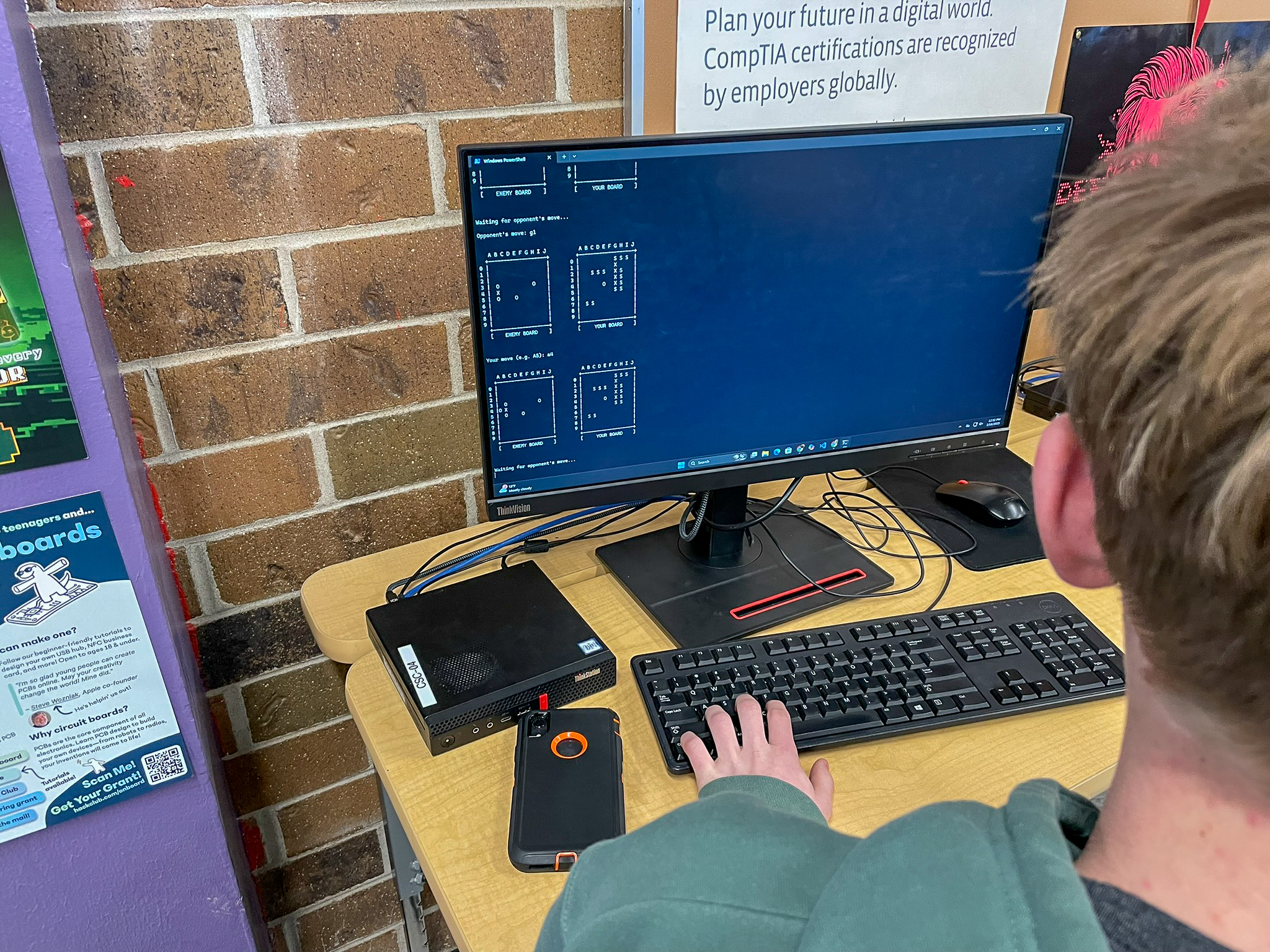
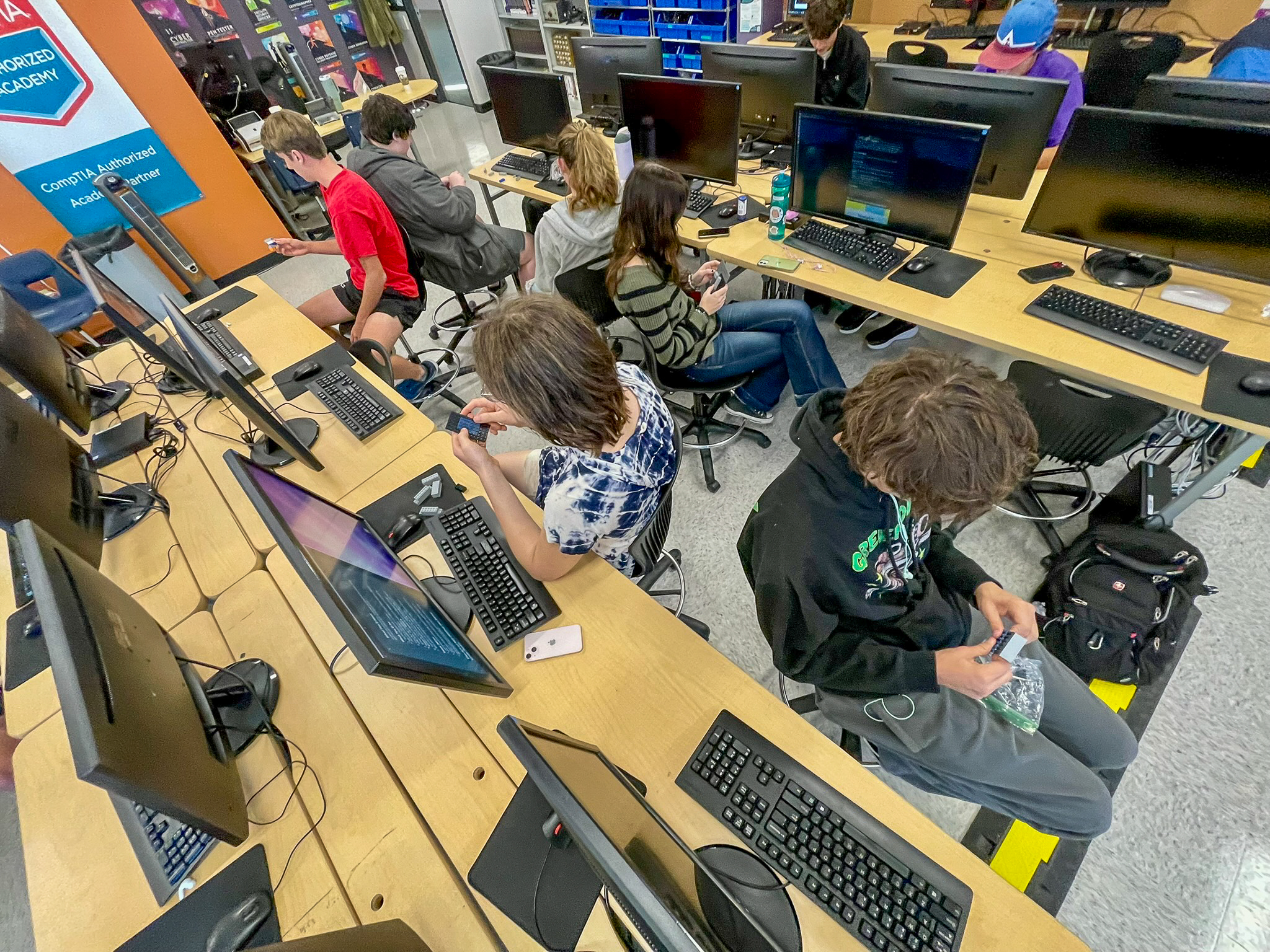
Students write code and watch a physical LED blink, a buzzer play a tune, or a sensor detect their hand. Every kid has a slightly different reaction to that first moment when something on the screen makes something real happen.
They leave understanding: that the words they typed and the LED that blinked are the same thing — one half you can see, one half you can't
SESSION 05
🔐
Cybersecurity
Cryptography
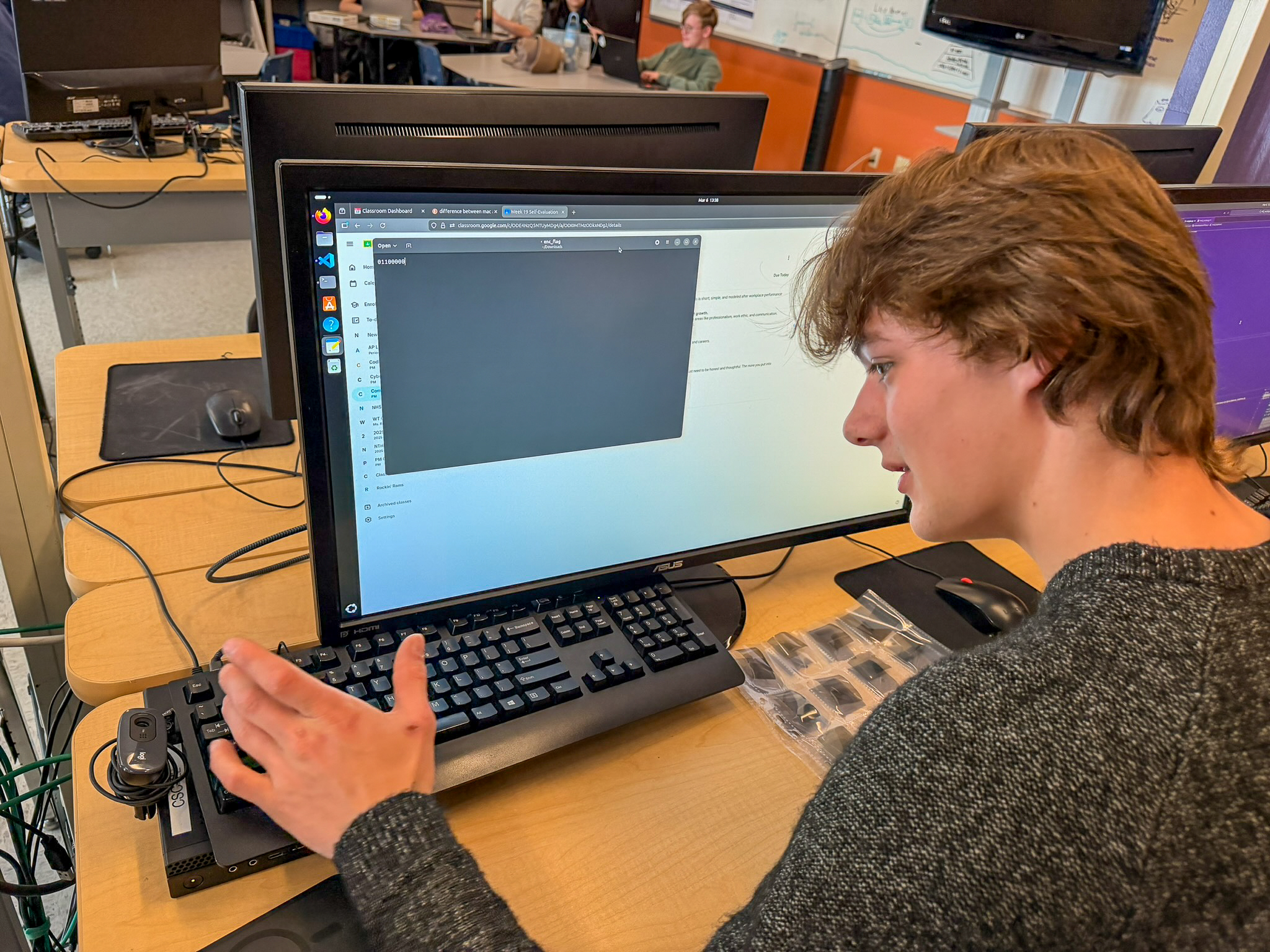
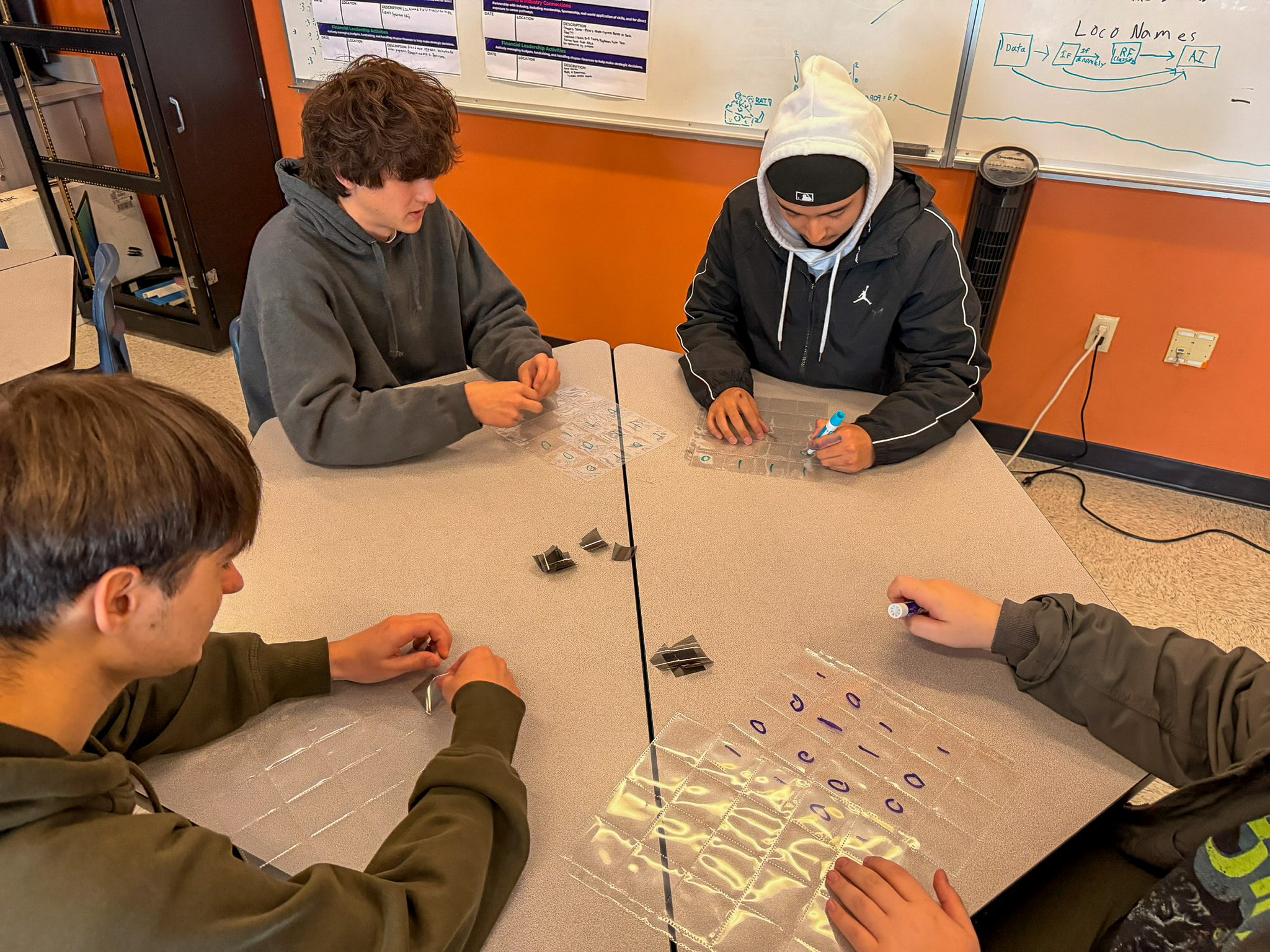
We start with paper — encode a message, swap with a classmate, try to crack it. Then we write a Python script that tries all 26 shifts at once and finds the answer in a fraction of a second. That's the lesson: not the code, but the scale.
They leave understanding: why "try everything" takes a computer less than a second — and why that single fact is the whole argument for longer passwords
MORE COMING
💡
In Development
I'm still building.
New sessions get added as schools ask for them. If there's a concept your kids should understand and it isn't on this list yet, tell me. That's how this list grows.